
Category: Articles
-

Everyday sociocracy
How can we use sociocracy in everyday life? How is it useful to interactions, for example, with your kids, your partners, your neighbor?
-
Common pitfalls for implementation of sociocracy
A change in governance or an organization can be compared to open-heart surgery. Just like heart surgery is invasive for a human organism, so is a change in governance. Recognizing that is key to understanding pitfalls in implementing sociocracy.
-
Self-determination – only with co-determination
(By Simona Zäh, Switzerland. Translated from German original) In my last blog entry, I pleaded for more self-determination in schools – and only in passing did I mention that one of the basic conditions for self-determined learning is participation. In the following, I would like to explain why self-determination and participation go hand in hand,…
-

NVC Feelings and Needs List
What are nonviolent communication’s universal feelings and needs? Everyone experiences similar basic human feelings and needs. Nonviolent Communication (also known as NVC or compassionate communication) centers around identifying our feelings and needs. In NVC, it is thought that feelings arise from met or unmet basic universal needs. Marshall Rosenberg, the originator of Nonviolent Communication, asserts…
-
3 common struggles in sociocratic organizations
Governance is never complete and “done”. It needs constant maintenance and fine-tuning. To help you prevent challenges or yo get you past them if you’re already experiencing them, I am sharing with you the three most typical struggles in sociocratic organizations. If you have decided to or already implemented sociocracy or parts of it, congratulations!…
-

Participatory proposal writing
Picture forming, proposal shaping and synthesis – a 3-step process to turn everyone’s ideas into a good proposal!
-
Intentional feedback in organizations
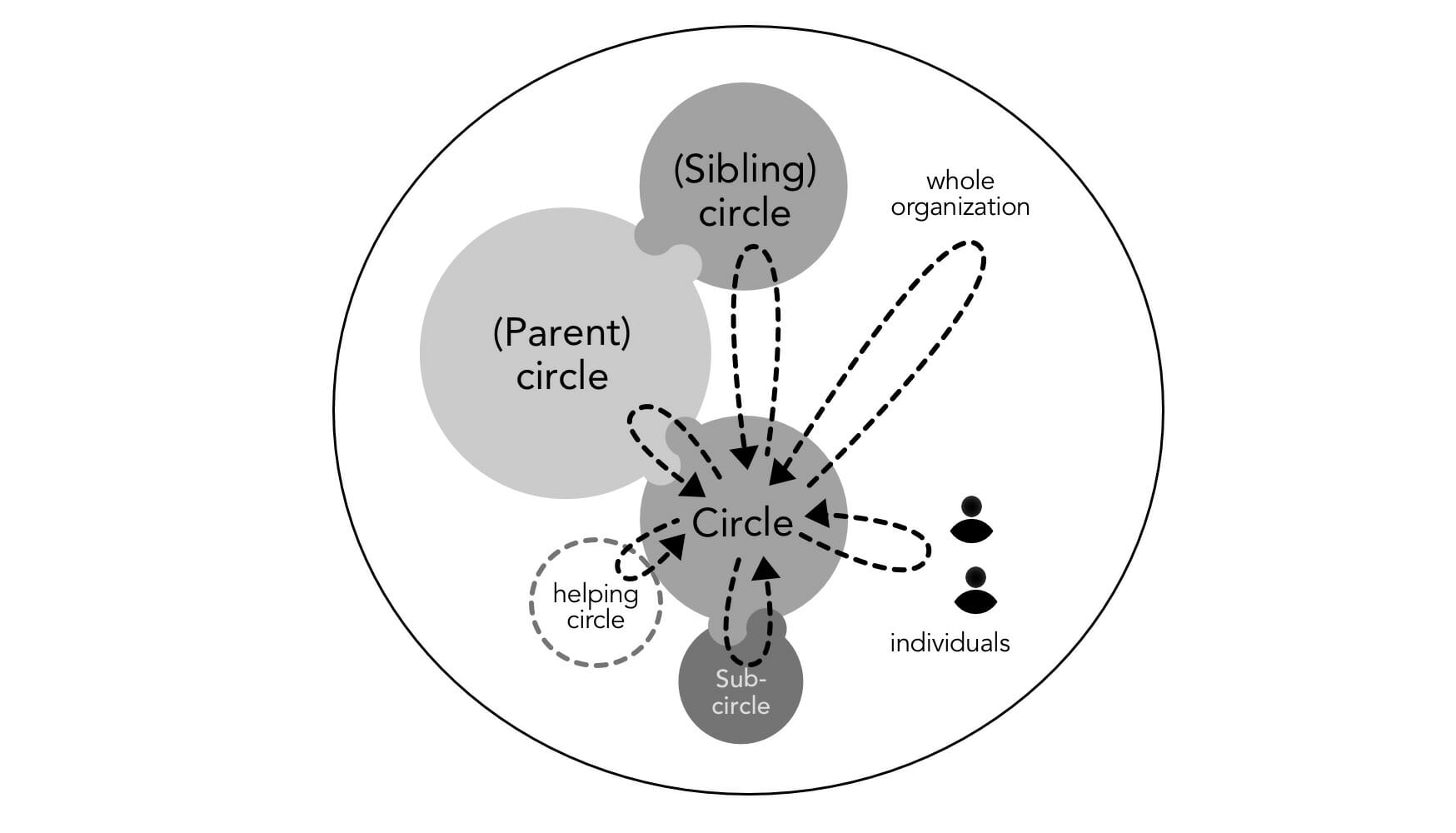
Intentional feedback is important to improve what we do in an organization. And feedback comes in all kinds of forms. For example, if we ride a bike, we need to check on our data frequently enough to be able to steer successfully. We can’t just look at the map as we get started and then…
-
Peer feedback process
—
by
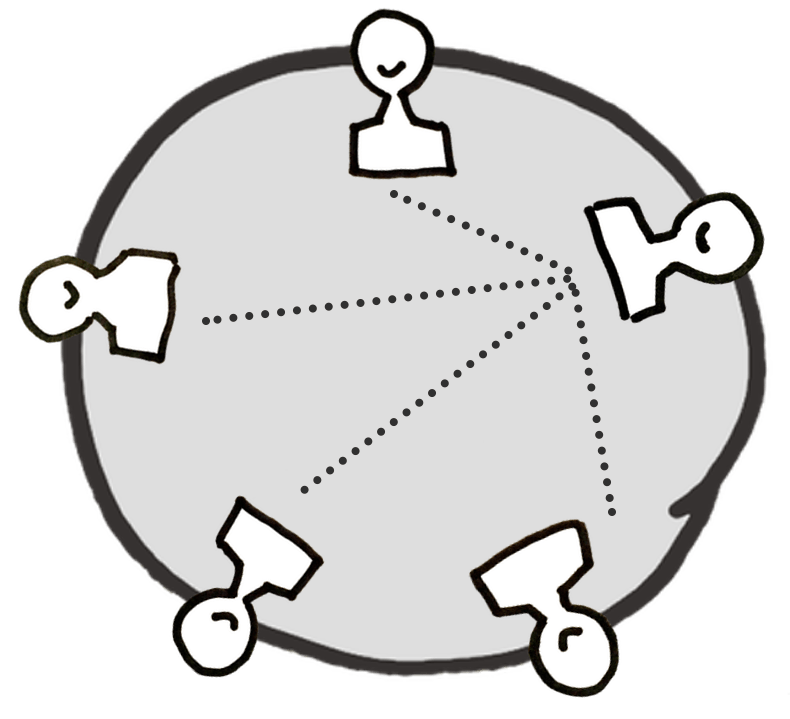
Performance reviews (or “Role Improvement”) are a way to give feedback to one person or each other in a space of psychological safety.
-
On interpersonal feedback
—
by
There is no right and wrong Many people are afraid of feedback. “Can I give you some feedback?” is typically followed by criticism, and we don’t do well with criticism. When we face criticism, the most typical reaction is to shut down, get reactive, defensive or withdraw. If you want your feedback to be heard,…
-

The liberating effect of “good enough for now”
“Good enough” sounds like a low-level decision-making method. And yet, for some people, that’s not how they experience it. “Only” aiming for good enough can be a matter of respect and